How Can Low-Grade Copper Ore Turn Losses into Profits? Why Not Try Obote AI X-Ray Mining Dry Sorting Machine (Changjiang Series)?
Release time: 2026-03-30
Pain Points and Solutions in Traditional Copper Ore Sorting Industry
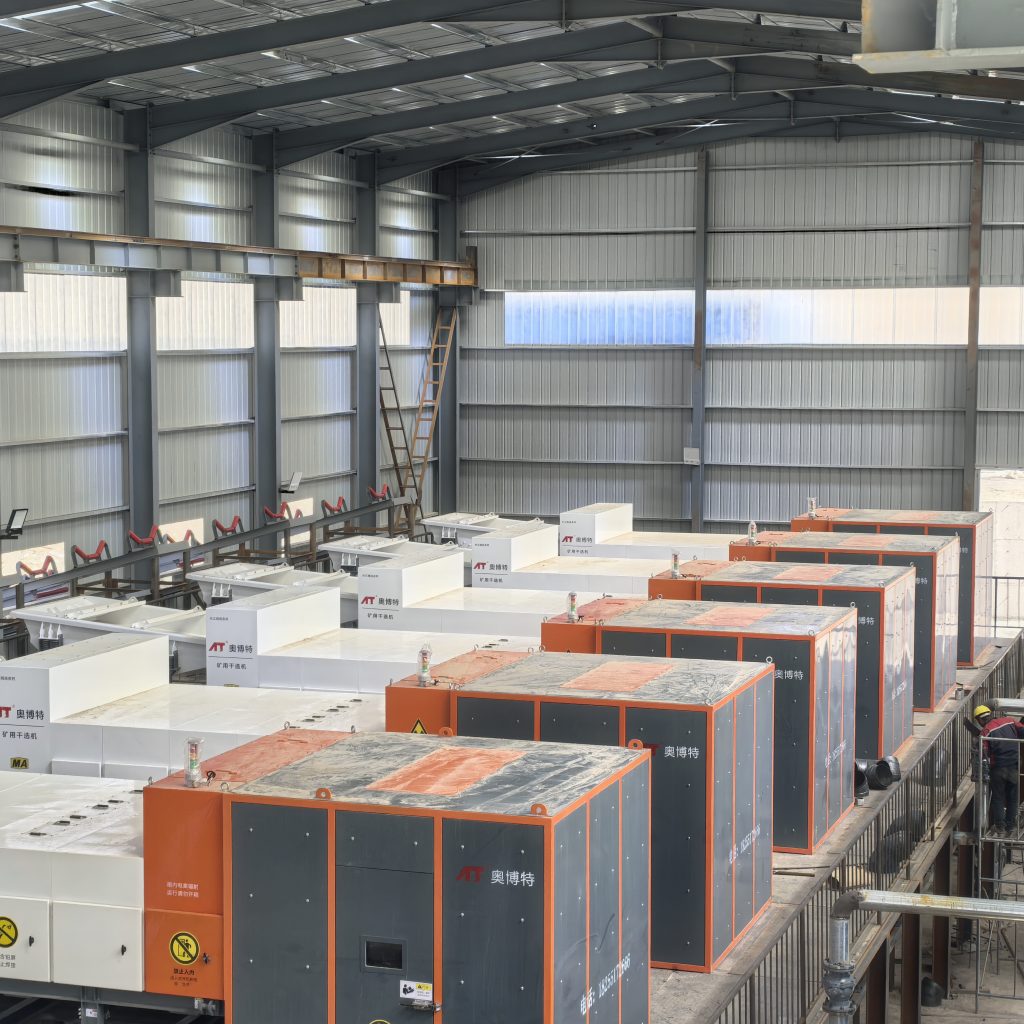
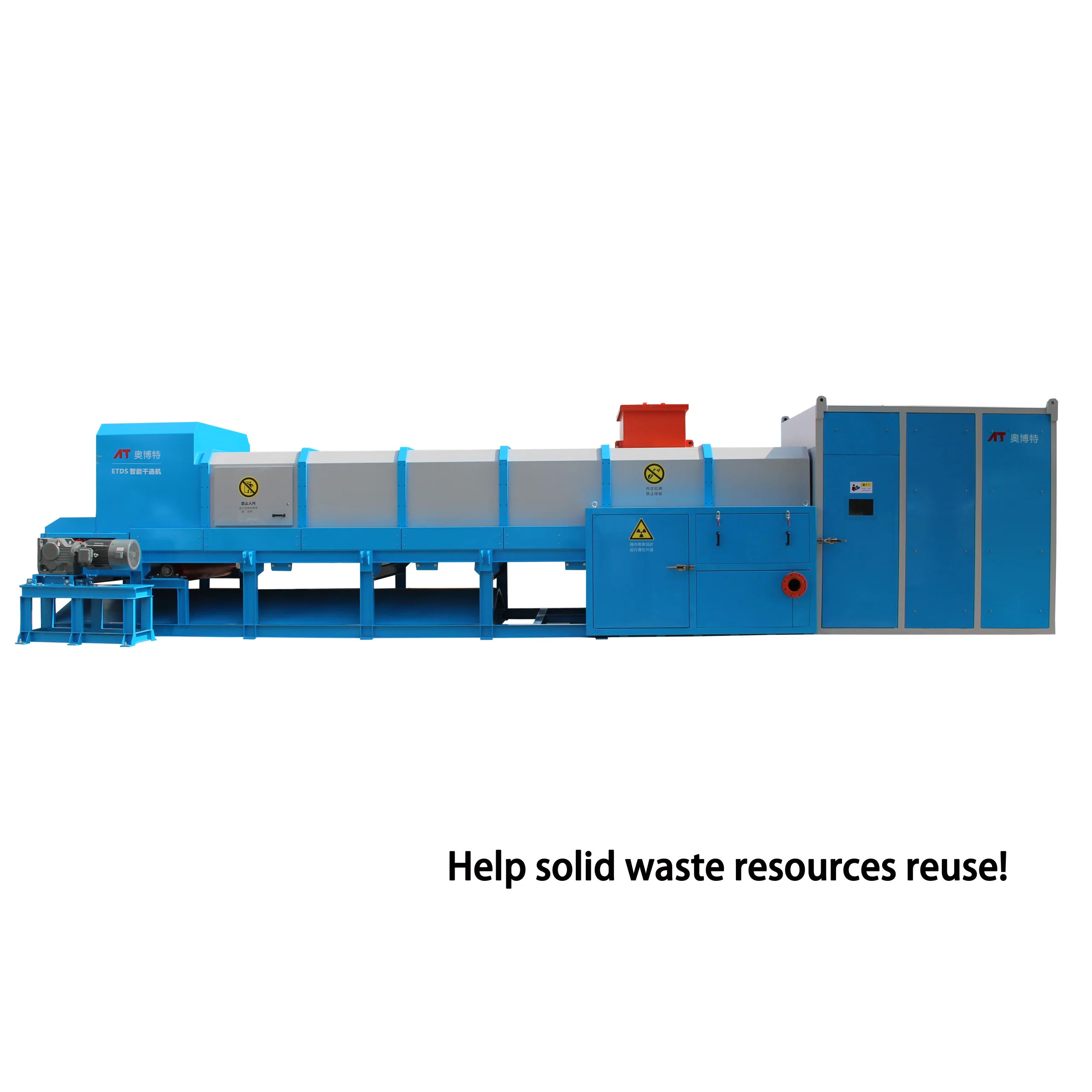
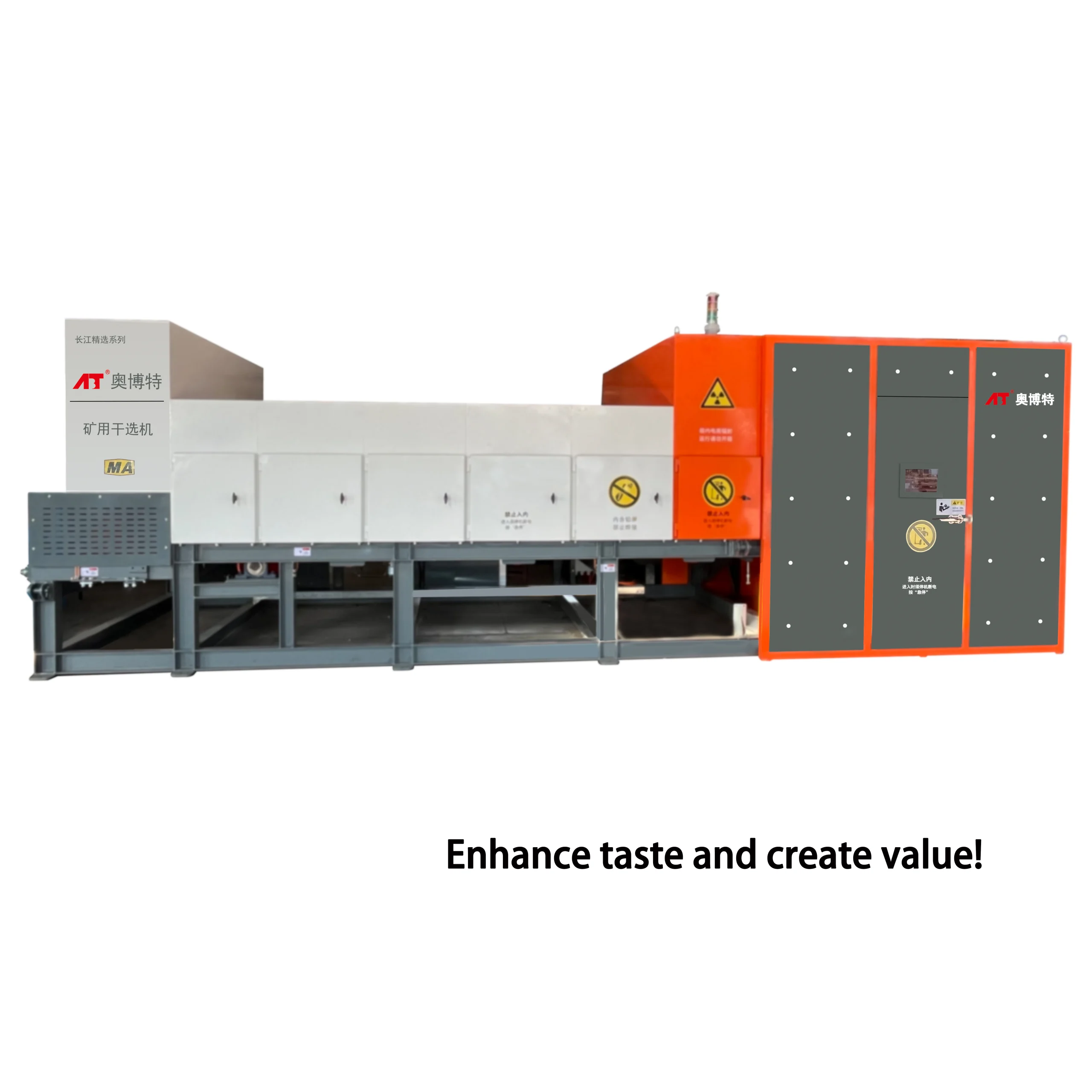
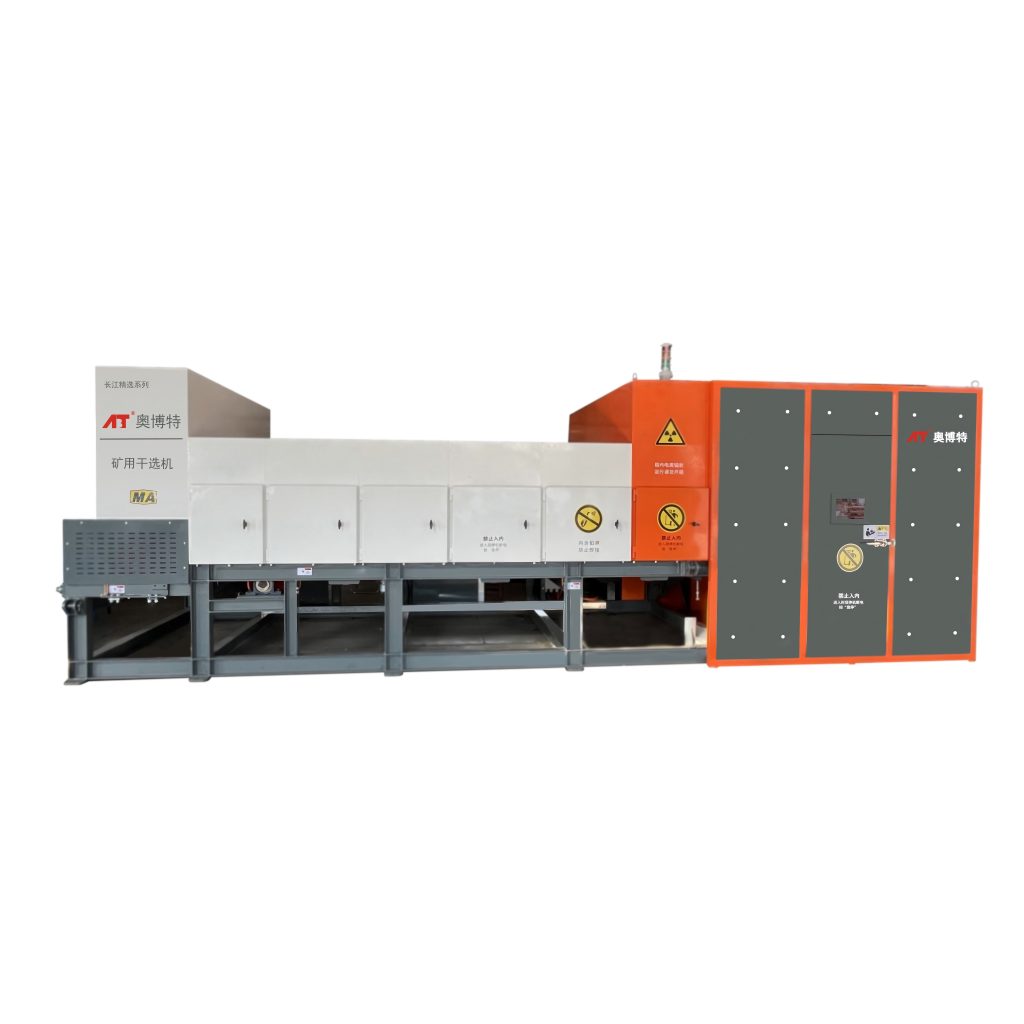
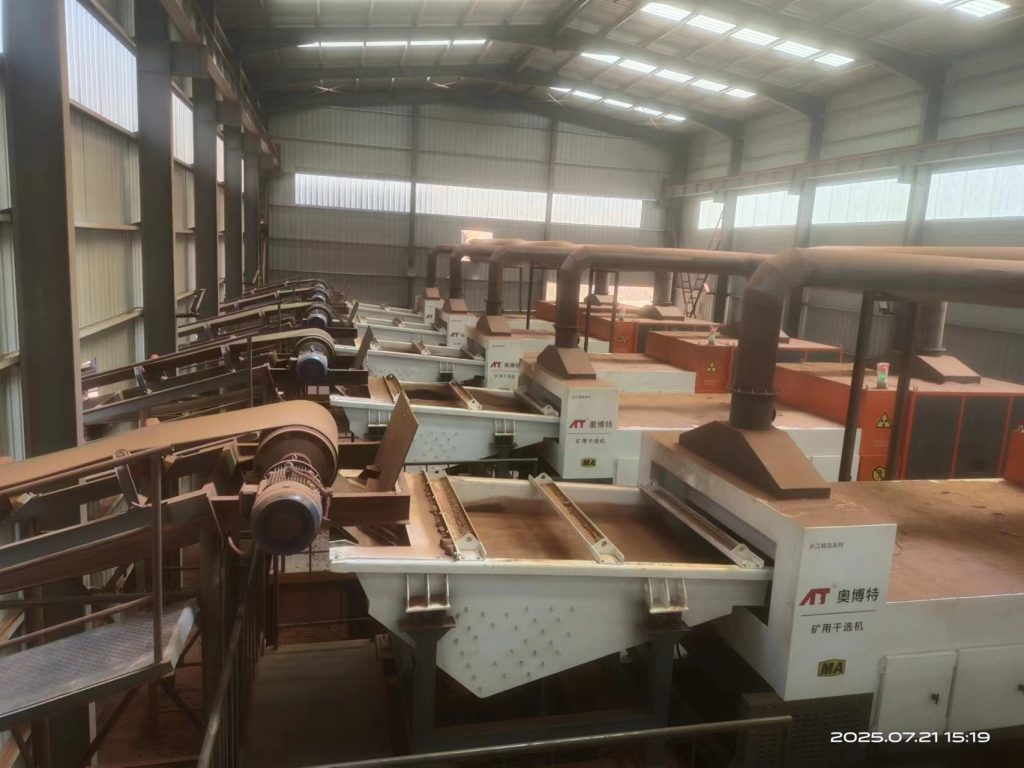
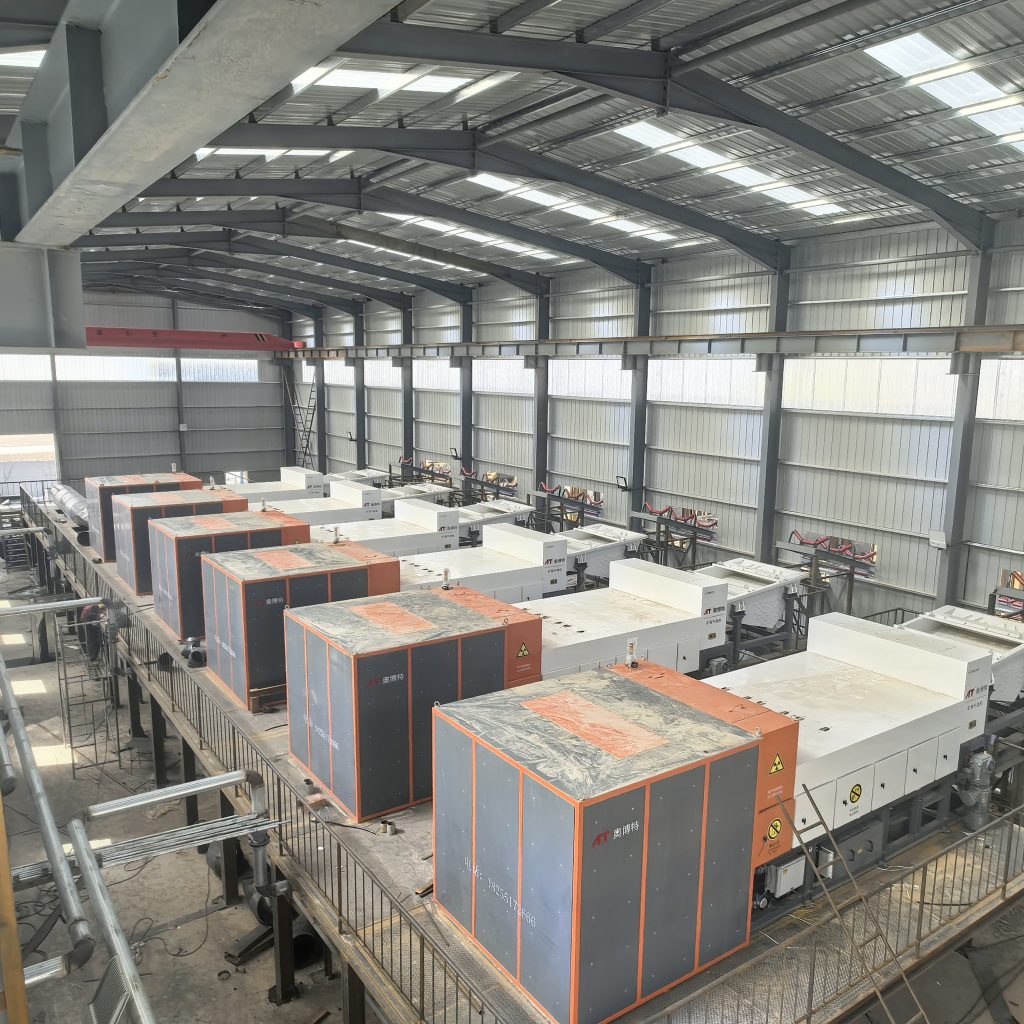
Many copper mining companies share a common lament: “Copper ore sorting is becoming increasingly difficult; copper ore grade is declining year by year, while water and electricity consumption continue to rise unabated.” This represents a critical challenge currently plaguing the entire copper ore sorting industry. While everyone understands the traditional “more crushing, less grinding” theory, few operations have truly succeeded in optimizing pre-concentration waste rejection to its fullest potential. Recently, we conducted an on-site field study at a business partner’s mine site, to observe the application of Obote AI X-Ray Mining Dry Sorting Machine(Changjiang Series) in copper ore sorting. We must admit that, in terms of reducing beneficiation costs for low-grade copper ore, this mining x-ray sorting machine delivers truly impressive results.
What Should We Do When “Rich Ore” Becomes “Lean Ore”?
Many copper mines worldwide face an awkward reality: the grade of mined copper ore, is increasingly approaching the economic cut-off grade. If the entire mined output is fed directly into the beneficiation plant—specifically into the ball mills and flotation cells—more than half of the energy consumption, is actually being wasted on grinding waste rock. Under traditional processing workflows, this waste rock not only consumes steel balls, electricity, and chemical reagents but also ultimately ends up as tailings, occupying valuable tailings storage capacity. How can we “weed out” this truly waste rock before the copper ore enters the grinding mills? This is the core problem that Obote AI X-Ray Mining Dry Sorting Machine(Changjiang Series) is designed to solve.
More Than Just a Simple “Color Sorter”
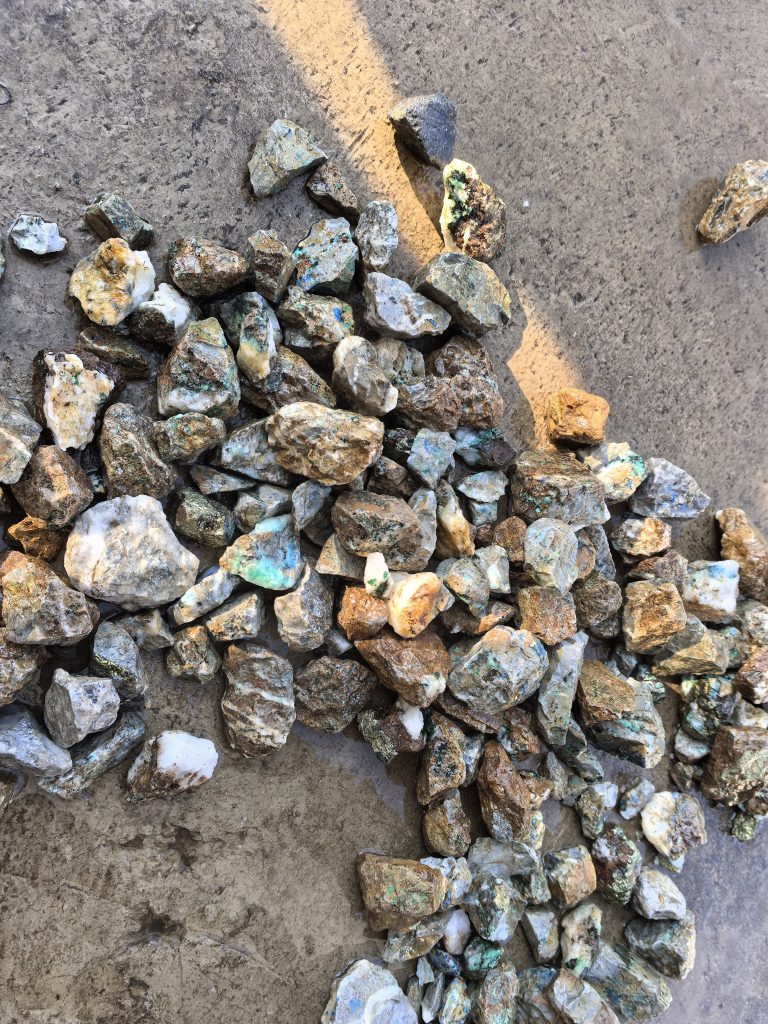
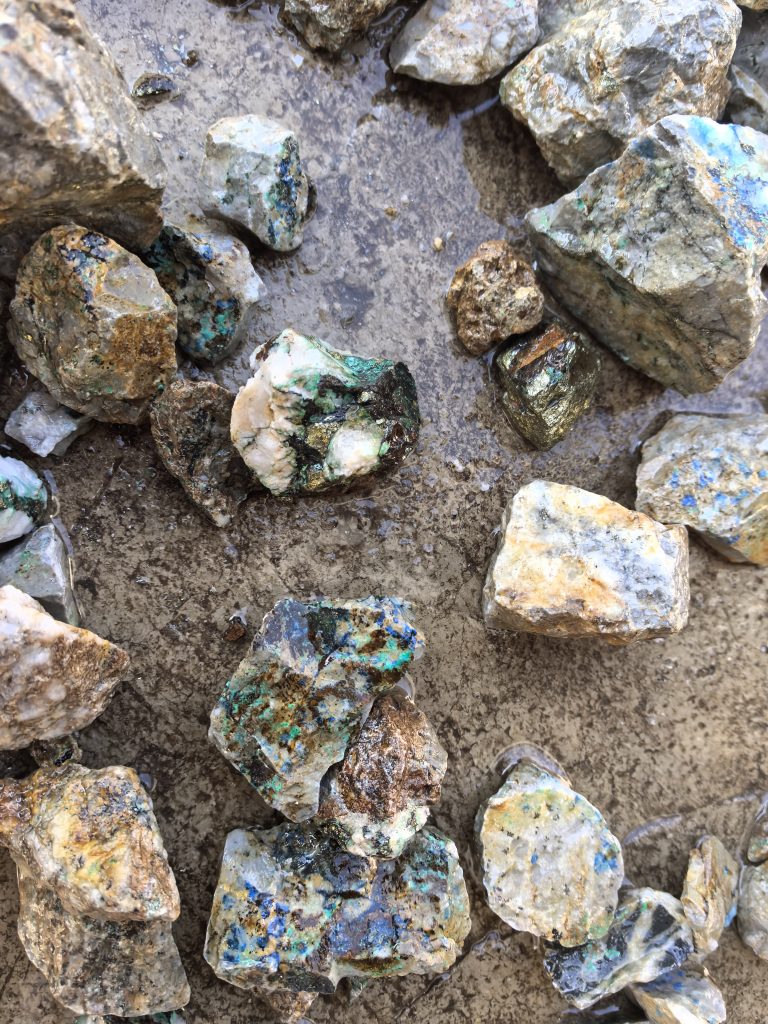
Many people’s understanding of mining dry sorting machine, remains limited to the concept of “color sorter.” However, when dealing with copper ore—particularly sulfide copper ore, relying solely on color recognition is often insufficient to achieve the required precision. The key to the success of Obote AI X-Ray Mining Dry Sorting Machine(Changjiang Series) in copper ore sorting, lies in its multi-dimensional sensing system. It does not rely merely on color recognition; moreover, it leverages advanced sensor technology and sophisticated AI large-model algorithms, to accurately identify both the elemental composition and physical characteristic of copper ore particles. What does this mean in practical terms? Even if a piece of copper ore exhibits severe surface oxidation—making it visually indistinguishable from waste rock—as long as it contains valuable copper content within its core, this sorting machinery can accurately detect and capture it through elemental analysis. This method of XRT ore sorting, directly transcends the limitation of traditional processing techniques.
Why Choose Obote AI X-Ray Mining Dry Sorting Machine(Changjiang Series)?
1.To Reduce Ore Transport Costs by “Pre-Slimming”
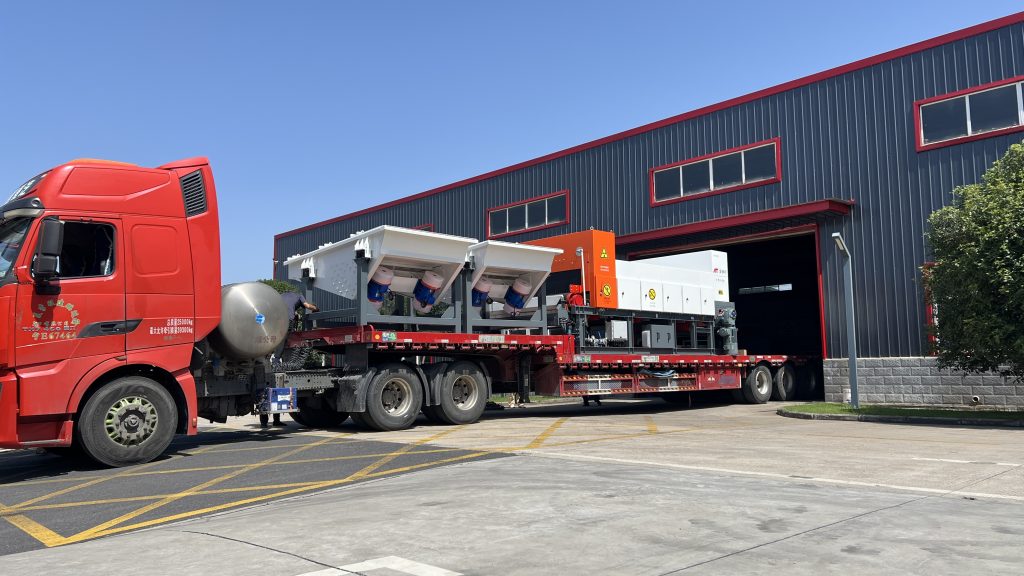
For copper mines situated at high altitudes or located at long distances from processing facilities, they can use Obote AI X-Ray Mining Dry Sorting Machine (Changjiang Series), for coarse-fraction pre-sorting(20–50 mm) immediately following primary crushing, this allows for the direct rejection of 30% to 50% of waste rock on-site. Consequently, the material subsequently transported by mining trucks consists not of raw copper ore, but rather of high-grade copper “lump concentrates,” resulting in a drastic reduction in transportation costs.
2.To Unlock Ball Mill Capacity
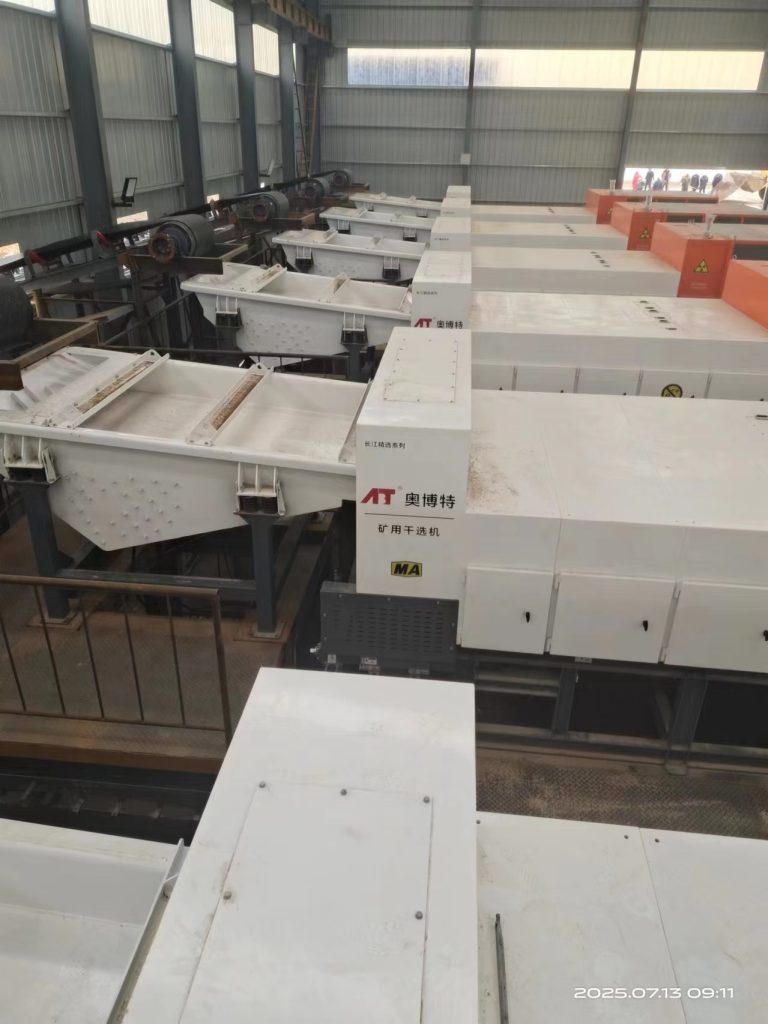
This represents the most critical economic benefit. Ball mills account for over 40% of the total energy consumption in a mineral processing plant. Assuming a raw ore grade of 0.6% copper, if Obote AI X-Ray Mining Dry Sorting Machine(Changjiang Series), is used to pre-reject 40% of waste rock, the copper ore grade entering the ball mill, will be enriched to over 1.0%. This implies that, to achieve the same output of copper concentrate, the ball mill’s throughput can be reduced by nearly half; alternatively, without modifying the existing mining equipment, the mineral processing plant’s overall processing capacity of copper ore, can be effectively doubled.
3.To Extend Tailings Pond Lifespan
Waste rock from copper ore, is pre-sorted and removed out by Obote AI X-Ray Mining Dry Sorting Machine(Changjiang Series), before it ever enters the ball mill. This dry-sorted waste rock—characterized by its large particle size and low moisture content—can be directly utilized for underground mine backfilling, or sold externally as construction material. Consequently, the volume of coarse-grained copper tailings actually entering the tailings pond, is drastically reduced—a benefit of inestimable and self-evident value, in today’s climate of mounting environmental pressure.
Which Sorting Metrics Should You Focus On?
If you are currently evaluating similar mining sorting equipment, there are several key details regarding copper ore sorting that warrant your close attention:
1.Particle Size Compatibility
Obote AI X-Ray Mining Dry Sorting Machine(Changjiang Series), delivers optimal performance for particle sizes ranging from 20 mm to 50 mm. This means you must verify whether your existing crushing and screening circuit, can consistently produce a feed stream, that falls within this specific particle size range.
2.Balance Between Recovery Rate and Waste Rejection Rate
This serves as the ultimate benchmark for evaluating the sophistication and effectiveness of the underlying AI algorithms. Partners were initially concerned that, Obote AI X-Ray Mining Dry Sorting Machine(Changjiang Series)—when sorting copper ore—might result in the loss of certain “inter-growth” (copper ore particles fused with waste rock) under high waste rejection rate, thereby lowering the overall recovery rate. However, actual observation and sorting data have demonstrated that, its large-scale AI model algorithm identifies marginal ore particles with exceptional precision, effectively preventing the inadvertent rejection of valuable “rich ore” as waste.