XRT vs. Color Sorting: How to Choose the Best Intelligent Dry Sorting Solution Based on Ore Characteristics
Release time: 2025-12-27
Table of Contents
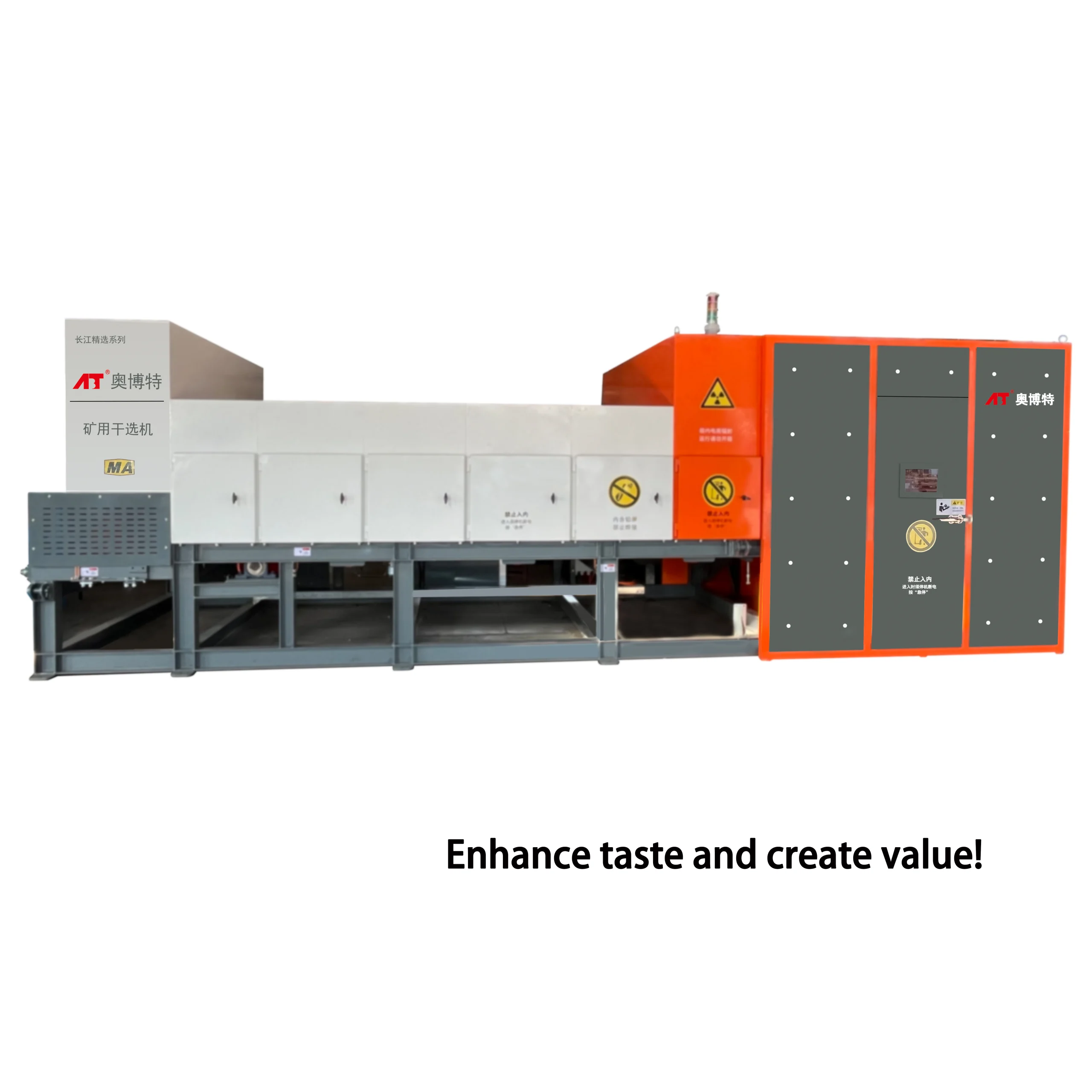
In the field of mine pre-concentration and waste rejection, there is no “universal” equipment—only the “most compatible” technology. With the rising popularity of Intelligent Mineral Sorters, mine owners often face a dilemma when choosing between X-ray transmission (XRT) and color sorting technologies.
As a leading intelligent dry sorting equipment manufacturer, Obote believes that understanding the physical and chemical properties of your ore is the key to balancing sorting accuracy with return on investment (ROI).
XRT Technology: “X-ray Vision” for Your Ore
The working principle of an XRT intelligent dry sorter is similar to a medical X-ray machine. It uses high-energy rays to penetrate the ore, identifying valuable minerals and waste rock based on differences in internal atomic density.
Core Attributes: Density sensing, full-size fraction coverage, high penetration.
Ideal Scenarios: If your ore shows significant differences in atomic numbers (e.g., Tungsten, Antimony, Tin, Gold, Coal Gangue, Fluorite), XRT is the superior choice.
.B2B Benefit: XRT can “see through” the ore even if the surface is covered in dust or mud. This “internal vision” ensures a high recovery rate and minimizes false rejects caused by dirty surfaces.
Color Sorting: The “Visual Expert” of Ore Surfaces
Optical Color Sorters simulate the human eye by using high-resolution industrial cameras to capture the color, brightness, and texture of the ore surface.
Core Attributes: Surface feature recognition, high-frequency air ejection, multi-spectral imaging.
Ideal Scenarios: Best suited for minerals where the internal and external colors are consistent and distinct, such as non-metallic minerals like Calcite, Talc, and Quartz, or certain non-ferrous oxidized ores with vibrant color profiles.
B2B Benefit: Compared to XRT solutions, the initial procurement cost for color sorting equipment is typically lower. For ore types easily distinguished by color, it provides a highly competitive low-cost mineral processing solution.
Three Key Dimensions for Your Technical Selection
When evaluating a mining dry sorting solution supplier, consider these critical ore factors:
Crystalline Structure & Association: If the valuable components are finely disseminated or encapsulated deep within the rock, XRT is the only viable option.
Surface Condition: Color sorting requires high surface clarity and often needs a pre-wash stage. In contrast, XRT adapts to harsher mining environments and can operate directly in arid, dusty sites.
Throughput Requirements: Obote’s XRT sorters excel at processing large-sized ore (+30mm), while color sorting often holds an advantage in processing finer-grained materials.
Conclusion: Customization is the Goal of Smart Mining
Whether you are pursuing the highest waste rejection rate or seeking a cost-effective pre-concentration process, selecting the right sensor technology is vital. Obote Sorting suggests that mine owners conduct sample testing before making a final decision. By comparing sorting indicators across different sensors, you can ensure that your digital mining equipment truly delivers on the promise of cost reduction and efficiency.
As a long-term mining sorting system supplier, we provide full-process services from sensor R&D to onsite commissioning, helping you gain a competitive edge in the 2026 Green Mining landscape.